
Aluminum window frame color options are defined by two core finish technologies: anodizing and powder coating. Each method controls both the available color palette and the long-term durability of the frame. The right color choice does more than affect curb appeal. It influences thermal performance, maintenance demands, and how well the window integrates with the surrounding architecture. This guide covers the top aluminum window frame colors, how finishes affect your choices, and what designers and homeowners need to know before specifying a color in 2026.
1. What are the top window frame color options for aluminum?
The top-specified aluminum window frame colors since 2023 are RAL 9005 Jet Black, RAL 7016 Anthracite Grey, and RAL 9010 Traffic White. These three dominate modern residential and commercial projects across California, Colorado, and Nevada. Emerging aluminum window color choices include muted greens like RAL 6009, warm greys like RAL 7006, and earthy tones like RAL 8019.
Each color signals a distinct design philosophy:
- RAL 9005 Jet Black: The boldest choice. Black frames make windows a focal point against light-colored facades, stone cladding, or timber. Best suited to modern and minimalist architecture.
- RAL 7016 Anthracite Grey: A softer alternative to black. Anthracite grey and black are both chosen to make windows an architectural feature, while lighter colors help frames recede into the wall.
- RAL 9010 Traffic White: The classic choice for traditional and transitional homes. White frames blend with rendered facades and light brick, creating a clean, open look.
- Bronze and warm neutrals: Bronze finishes suit Mediterranean, craftsman, and biophilic designs. They pair naturally with timber, terracotta tile, and warm stone.
- Wood-grain finishes: Powder coating technology now replicates wood grain textures on aluminum, delivering the look of timber with none of the maintenance.
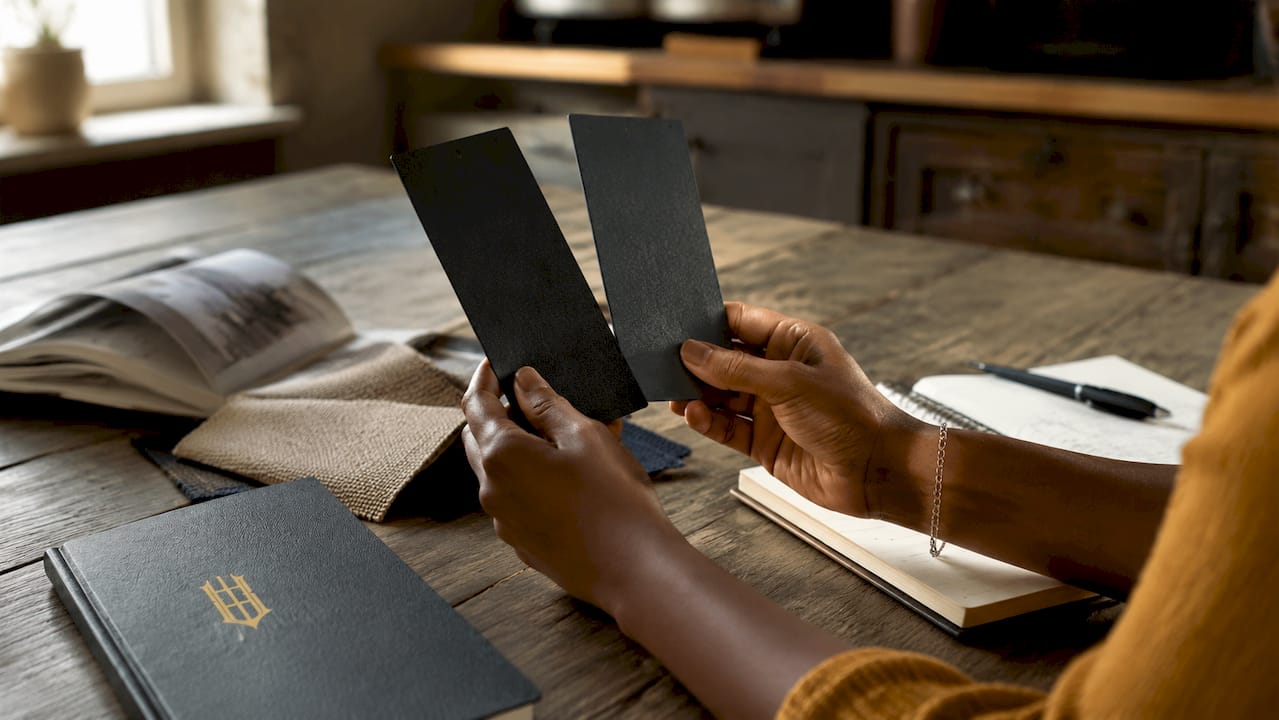
Pro Tip: Request physical color chips for RAL 9005 and RAL 7016 side by side. In direct sunlight, the difference between jet black and anthracite grey is significant. On a cloudy day, they can look nearly identical.
2. How do aluminum window finishes affect color options and durability?
The finish method determines both what colors are available and how long they last. Anodizing and powder coating are the two standard processes in the aluminum window industry. Understanding the difference is the first step in the aluminum window color selection process.
Anodizing converts the aluminum surface into a hard oxide layer. Anodizing creates a 7–23 µm oxide layer that bonds permanently with the metal. This makes it exceptionally resistant to corrosion, humidity, and salt air. The tradeoff is a limited color palette: natural silver, bronze, champagne, and black are the standard anodized options. Anodized finishes carry warranties up to 25 years and are the preferred choice for coastal environments.
Powder coating applies a dry resin electrostatically, then cures it in an oven. Electrostatic powder coating applies a 60–80 µm film, which is thicker than an anodized layer. This thickness allows for a much wider color range, including every RAL color, matte and gloss finishes, and textured surfaces that mimic stone or brushed metal. PVDF powder coatings retain color for 10–20 years with strong UV resistance, though performance varies by resin quality.
| Feature | Anodizing | Powder Coating |
|---|---|---|
| Film thickness | 7–23 µm | 60–80 µm |
| Color range | Limited (silver, bronze, black) | Full RAL palette, textures |
| Corrosion resistance | Superior, ideal for coastal zones | Good, varies by resin |
| Warranty | Up to 25 years | 10–20 years typical |
| Best environment | Coastal, humid, industrial | Inland, residential, design-focused |
Pro Tip: For homes within two miles of the ocean, specify anodized frames regardless of color preference. The corrosion resistance of anodizing outperforms powder coating in salt-air environments, and finish selection is often more critical than color in harsh climates.
3. Which aluminum window frame colors suit different architectural styles?
Color selection works best when it responds to the building’s material palette and design language. The best color for aluminum windows is not universal. It depends on the facade, the interior, and the climate.
Modern and minimalist architecture calls for dark frames. Black and anthracite grey create strong contrast against white render, concrete, or glass facades. The window becomes a graphic element rather than a background detail. This approach works particularly well in single-story California ranch homes and contemporary multi-story builds.
Traditional and transitional homes favor white, off-white, and warm grey frames. These colors allow the window to blend with the wall, keeping the focus on the overall composition rather than the frame itself. Lighter aluminum window frame colors also make interiors feel more open and bright.
Biophilic and nature-connected designs benefit from earthy tones. Olive green, terracotta, and sand beige are trending in 2026 for homes that prioritize a connection between indoor and outdoor spaces. These tones complement timber decking, natural stone, and landscaped gardens without competing with them.
Key considerations for matching color to setting:
- Coastal zones: Prioritize anodized finishes in bronze or natural silver. Avoid powder-coated colors without a confirmed coastal-grade specification.
- Desert and sun-belt climates: Lighter colors reduce solar heat absorption on the frame itself. This matters for both comfort and frame longevity.
- Urban and industrial settings: Anthracite grey and matte black perform well visually against brick, steel, and concrete.
- Dual-color frames: Dual-color frames with different interior and exterior finishes are a standard custom option. A dark exterior finish can pair with a white or timber-effect interior finish, satisfying both curb appeal and interior design goals.
4. What practical tips help with the aluminum window color selection process?
The most common mistake in selecting custom aluminum window colors is relying on digital swatches. Digital RAL swatches differ significantly from real-world appearance due to screen calibration and lighting conditions. Industry best practice requires physical painted sample coupons tested on-site under natural light.
Follow these steps before finalizing any color:
- Request physical samples. Ask your supplier for painted aluminum coupons in your shortlisted colors. Hold them against the facade material at different times of day.
- Test in context. A color that looks sharp in a showroom can appear flat or overly dark on a north-facing wall. Natural light changes everything.
- Consider the interior view. The frame color you see from inside the room matters as much as the exterior. Darker frames can reduce perceived brightness indoors.
- Review the warranty. Confirm whether the finish warranty covers UV fading, chalking, and adhesion loss. Viewluxwindows provides clear finish warranty details for its aluminum products.
- Think long-term. Trendy colors like terracotta and muted green are gaining ground, but classic black, white, and grey have proven staying power across decades of architectural change.
- Match hardware finishes. Frame color and door hardware finishes should coordinate. Matte black frames pair with matte black handles. Bronze frames work with brushed brass or antique bronze hardware.
Pro Tip: Order a minimum of two physical samples per color shortlist. One for the exterior facade and one for the interior wall. The same RAL color can read differently on different substrates.
5. How do aluminum window frame colors influence energy efficiency and home value?
Color is not purely a visual decision. Darker frames absorb more solar heat, which increases cooling loads in warm climates. This is a measurable factor in states like Nevada, Arizona, and Southern California, where summer temperatures push air conditioning costs higher.
The relationship between color, finish, and energy efficient glazing is worth understanding before specifying. A dark-framed window with a high-performance low-E glass unit can still deliver excellent thermal performance. The glass does the heavy lifting on insulation. The frame color affects surface temperature and radiant heat near the window.
From a property value perspective, premium color finishes on aluminum windows contribute to curb appeal and perceived build quality. Homes with well-specified window colors and finishes consistently present better at sale. The key factors:
- Consistent color across all openings reads as intentional and high-quality.
- Matching frame color to doors and railings creates a unified exterior language.
- Premium finishes with documented warranties signal durability to buyers and appraisers.
Viewluxwindows offers NFRC and AAMA certified aluminum windows with a full range of color and finish options. Both certifications confirm that thermal performance meets verified standards, regardless of frame color.
Key takeaways
The most effective aluminum window color selection combines finish type, architectural context, and climate requirements rather than treating color as a standalone aesthetic decision.
| Point | Details |
|---|---|
| Top colors in 2026 | RAL 9005 Jet Black, RAL 7016 Anthracite Grey, and RAL 9010 Traffic White lead all specifications. |
| Finish type matters more than color | Anodizing outperforms powder coating in coastal and humid environments; choose finish before color. |
| Physical samples are non-negotiable | Digital swatches are unreliable; always test painted aluminum coupons on-site under natural light. |
| Dual-color frames offer design flexibility | Different interior and exterior finishes let you balance bold curb appeal with bright interiors. |
| Dark frames affect thermal loads | In warm climates, darker frame colors increase solar heat absorption and can raise cooling costs. |
My take on choosing aluminum window frame colors
I have seen hundreds of window specifications across residential and commercial projects, and the same mistake comes up repeatedly. Designers and homeowners choose a color from a digital catalog, approve it without seeing a physical sample, and then find the installed result looks nothing like what they expected. RAL 9005 on a screen looks like a clean, graphic black. On a large aluminum frame in direct California sunlight, it can read as almost charcoal with a slight sheen. That is not a flaw. It is just physics. But it surprises people every time.
My honest view is that the trend toward darker frames is not going away. Black and anthracite grey have moved from bold statements to expected defaults in modern architecture. If you are building or renovating a contemporary home, a light-colored frame now reads as the more conservative choice. That is a genuine shift from even five years ago.
The part most people underweight is the finish type. I have seen powder-coated frames on coastal homes start showing corrosion within three years because the specification did not account for salt air. Anodizing in those environments is not optional. It is the correct technical answer.
Dual-color frames are the most underused option in residential projects. A matte black exterior with a white interior finish gives you the bold facade look without making every room feel like it has a dark border around the view. For homeowners who want modern curb appeal but live with the interior daily, this is the most practical solution available.
— Liran
Explore premium aluminum window colors at Viewluxwindows
Viewluxwindows offers a full range of custom aluminum window frame colors and finishes, from classic anodized silver and bronze to the full RAL powder-coat palette. Every product goes through a 26-step production process and carries NFRC and AAMA certifications for verified thermal performance. Showrooms are open across California, Colorado, and Nevada for in-person color consultations and physical sample reviews.
Whether you are specifying a single-family home or a multi-unit development, Viewluxwindows provides direct-to-consumer pricing that saves up to 50% compared to traditional dealers. Browse the full product catalog to review available colors and finishes, or explore how premium windows affect property value before making your final specification. Contact the team directly for a consultation tailored to your project’s architectural style and climate requirements.
FAQ
What are the most popular aluminum window frame colors?
RAL 9005 Jet Black, RAL 7016 Anthracite Grey, and RAL 9010 Traffic White are the three most specified aluminum window frame colors in 2026. Muted greens and warm neutrals are gaining ground in biophilic and nature-connected designs.
What is the difference between anodized and powder-coated aluminum window finishes?
Anodizing creates a 7–23 µm oxide layer with superior corrosion resistance and a limited metallic color palette. Powder coating applies a 60–80 µm film with access to the full RAL color range but variable UV resistance depending on resin quality.
Do darker aluminum window frames affect energy efficiency?
Yes. Darker frames absorb more solar heat, which can increase cooling loads in warm climates like Southern California and Nevada. Pairing dark frames with high-performance low-E glass units offsets most of the thermal impact.
Can aluminum window frames have different interior and exterior colors?
Yes. Dual-color or co-extrusion frames are a standard custom option. They allow a dark exterior finish to be combined with a lighter interior finish, giving homeowners design flexibility without compromising either the facade or the interior aesthetic.
How do I verify an aluminum window frame color before ordering?
Request physical painted aluminum sample coupons from your supplier and test them on-site under natural light. Digital RAL swatches are unreliable due to screen calibration differences and do not accurately represent how a color will appear on an installed frame.


