
Energy efficient window glazing, known in the industry as insulating glazing units (IGUs), is the single most impactful variable in a window’s thermal performance. Windows account for 25 to 30% of residential heating and cooling energy use, making glazing selection a direct lever on your utility bills. The right combination of pane count, Low-E coatings, inert gas fills, and spacer design determines how much heat moves through your glass. This article covers every energy efficient window glazing option available to homeowners and builders, from basic double pane units to climate-tuned triple pane systems, so you can make a decision grounded in performance data rather than marketing language.
What are the main types of energy efficient window glazing?
Single pane glazing offers virtually no thermal resistance. Its R-value sits near 1, meaning heat moves through it with almost no resistance. For any new construction or serious remodel, single pane is not a viable option.
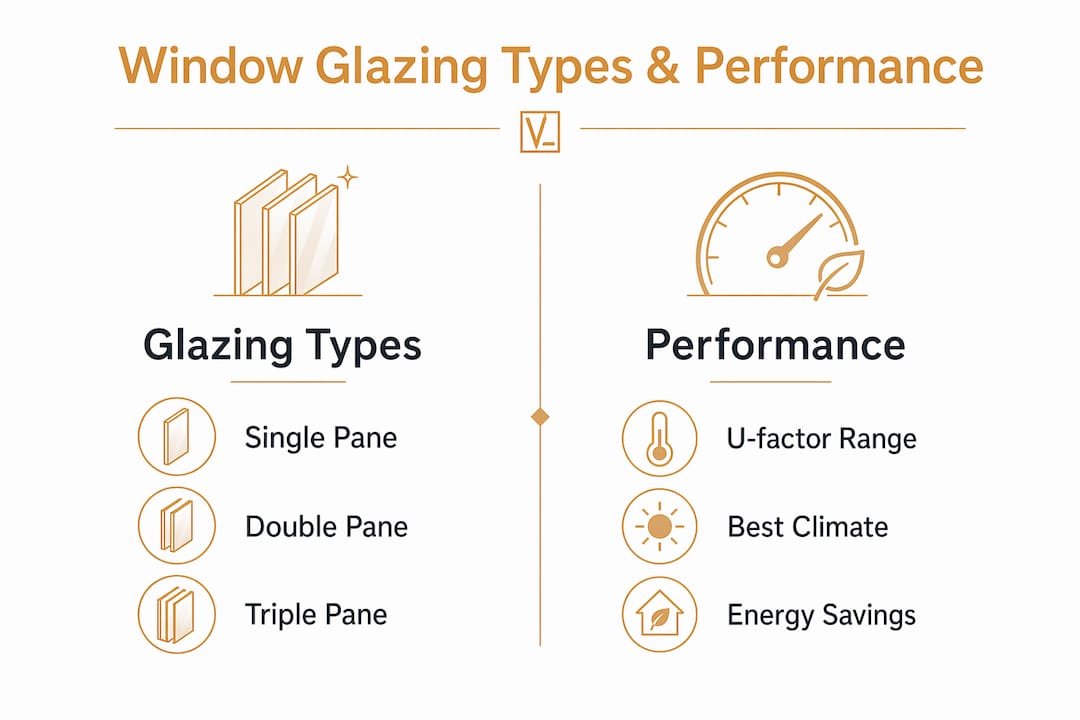
Double pane glazing is the current baseline for residential energy performance. Two glass layers separated by a gas-filled gap deliver substantially better insulation than single pane, and reduce energy consumption by roughly 10% in cold climates compared to single pane. That 10% reduction translates directly to lower HVAC runtime and reduced wear on mechanical systems.
Triple pane glazing adds a third glass layer and a second gas space, pushing U-factors below 0.20 in the best-performing units. The tradeoff is weight, cost, and slightly reduced visible light transmittance. Triple pane makes the most sense in Climate Zones 5 through 7 (the northern U.S. and high-altitude regions) where heating loads are severe.
Pro Tip: The decision between double and triple pane should be driven by your target U-factor and SHGC, not by the number of panes alone. A well-specified double pane unit with krypton fill and a quality Low-E coating can outperform a poorly specified triple pane unit.
| Glazing type | Typical U-factor | Best climate application |
|---|---|---|
| Single pane | 0.84 to 1.30 | Not recommended for energy efficiency |
| Double pane with argon and Low-E | 0.25 to 0.40 | Mixed, heating, and cooling climates |
| Triple pane with krypton and Low-E | 0.10 to 0.22 | Severe cold climates, passive house |
How do Low-E coatings and gas fills improve thermal performance?
Low-emissivity (Low-E) coatings are microscopically thin metallic layers applied to glass surfaces that reflect infrared heat while allowing visible light to pass through. Without a Low-E coating, glass radiates absorbed heat directly into the room in winter and into the building in summer. The coating interrupts that cycle.
Two coating types dominate the market:
- Hard coat (pyrolytic) Low-E: Applied during glass manufacturing, fused directly to the surface. More durable and easier to handle, but lower performance than soft coat. Common in casement windows and other operable units where handling during fabrication is intensive.
- Soft coat (sputtered) Low-E: Applied in a vacuum chamber after manufacturing. Higher performance, with lower emissivity values and better solar control. Must be sealed inside an IGU to prevent oxidation. The preferred choice for high-performance residential projects.
Inert gas fills replace the air between panes with argon or krypton, both of which conduct heat less efficiently than air. Gas fills combined with Low-E coatings minimize heat transfer more effectively than either element alone. Argon is the standard choice for most double pane units due to its low cost. Krypton is denser, performs better in narrower gaps (6 to 8 mm), and is the preferred fill for triple pane units where space between panes is limited.
Warm edge spacers are the third component most homeowners overlook. Conventional aluminum spacers conduct heat rapidly along the glass edge, creating cold strips that cause condensation and reduce the effective insulated area. Foam, fiberglass, or stainless steel warm edge spacers reduce this edge conduction significantly.
Pro Tip: When comparing IGU specs, ask for the whole-unit U-factor from the NFRC label, not the center-of-glass value. Whole-unit values include frame and spacer effects and reflect actual installed performance far more accurately.
Which glazing options work best for different climates and orientations?
Climate and window orientation are the two variables that determine whether you should prioritize a low U-factor, a low Solar Heat Gain Coefficient (SHGC), or both. The DOE recommends using ENERGY STAR and NFRC labels to match glazing specifications to your specific climate zone.
In cold climates (Climate Zones 4 through 7), heat loss through glass is the dominant problem. Prioritize a low U-factor, targeting 0.30 or below for double pane and 0.20 or below for triple pane. A moderate SHGC of 0.25 to 0.40 on south-facing fixed windows can actually benefit heating-dominated homes by allowing passive solar gain during winter months.
In hot climates (Climate Zones 1 through 3), solar heat gain drives cooling loads. Prioritize a low SHGC, targeting 0.25 or below, with solar-control Low-E coatings that block near-infrared radiation. U-factor still matters but is secondary to SHGC in these regions.
| Climate zone | Priority metric | Target U-factor | Target SHGC |
|---|---|---|---|
| Hot (Zones 1 to 3) | Low SHGC | Below 0.40 | Below 0.25 |
| Mixed (Zone 4) | Balanced | Below 0.32 | 0.25 to 0.40 |
| Cold (Zones 5 to 7) | Low U-factor | Below 0.22 | 0.25 to 0.45 |
Window orientation adds another layer of specificity. South-facing windows in cold climates benefit from a higher SHGC to capture winter sun. North-facing windows gain nothing from solar heat gain and should prioritize the lowest U-factor available. East and west-facing windows in hot climates receive intense morning and afternoon sun, making a low SHGC critical on those elevations. Climate and orientation together determine whether you optimize for heat retention or heat rejection, and the same home may need different glazing specs on different facades.
How can existing windows be upgraded without full replacement?
Full window replacement delivers the best long-term performance, but it is not always the right move financially or logistically. Several retrofit strategies can meaningfully reduce heat loss and solar gain in existing windows.
- Cellular shades and thermal curtains. Honeycomb cellular shades create a dead air space between the glass and the room, reducing convective heat transfer. Thermal curtains with reflective backing add a radiant barrier. Neither approach matches a new IGU, but both reduce heating and cooling loads at low cost.
- Interior storm panels. Acrylic or glass interior storm panels attach to the existing window frame and create a second air gap. This effectively converts a single pane window into a rudimentary double pane system. Products like Indow Windows use compression-fit acrylic inserts that require no drilling or permanent modification.
- Solar control window films. Professionally applied films from manufacturers like 3M, Llumar, and Vista reduce SHGC by 40 to 60% on existing glass. They are most cost-effective on large south and west-facing glass in hot climates. Films do not improve U-factor, so they address solar gain but not conductive heat loss.
- Exterior shading. Fixed or adjustable awnings, exterior roller shades, and louver systems block solar radiation before it reaches the glass. This is the most effective solar control strategy available because it stops heat at the building exterior rather than inside the glass assembly.
- Air sealing and weatherstripping. Before investing in any glazing upgrade, seal the perimeter of existing windows with low-expansion foam and replace worn weatherstripping. Air leakage around frames is frequently a larger energy loss than conduction through the glass itself.
What installation and maintenance practices protect glazing performance?
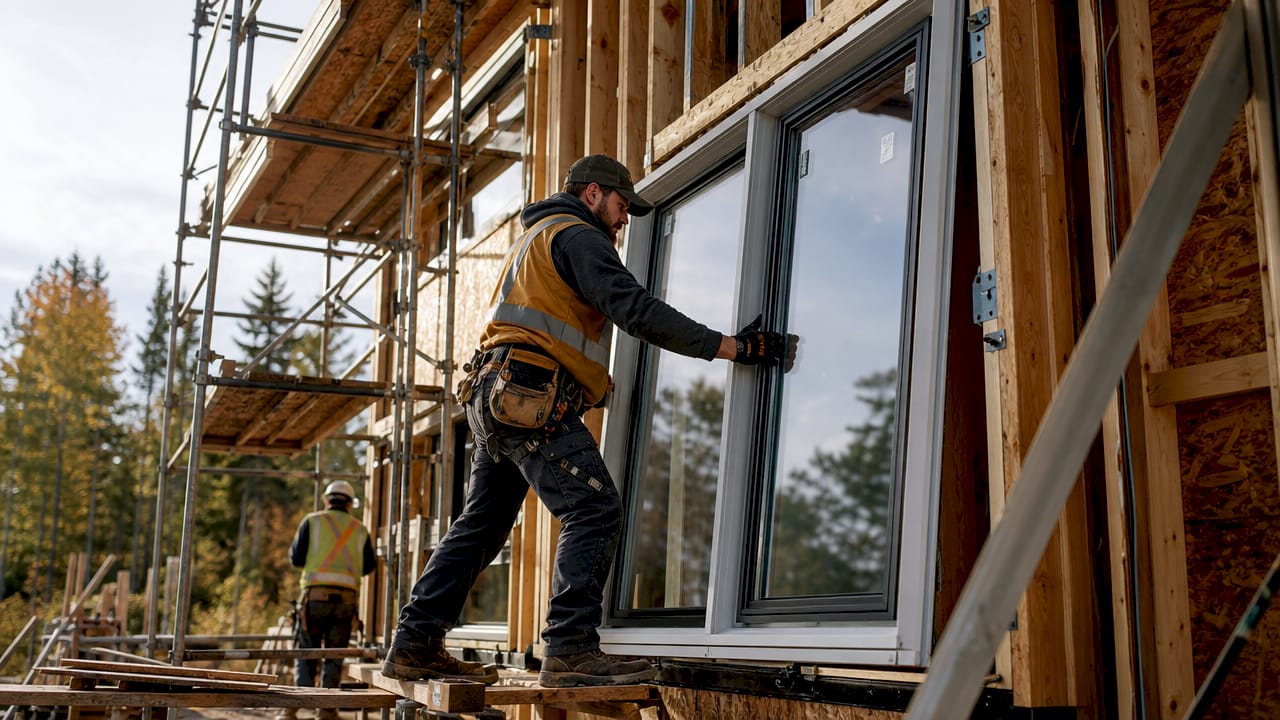
Glazing performance in the field depends as much on installation quality as on the IGU specification. Proper installation and weatherstripping are critical to achieving the energy performance shown on the NFRC label, and improper installation can void manufacturer warranties.
Key practices that protect your investment:
- Follow manufacturer installation instructions exactly. Shimming, fastener spacing, and sealant type are specified for a reason. Deviating from these instructions creates air gaps and moisture pathways that degrade performance over time.
- Inspect seals annually. IGU seals can fail due to thermal cycling, UV exposure, or improper installation. Failed seals allow moisture to enter the gap, causing fogging and eliminating the insulating gas fill. A fogged IGU has lost most of its thermal value and needs replacement.
- Clean coated glass with pH-neutral cleaners. Soft coat Low-E surfaces inside sealed IGUs are protected, but exterior hard coat surfaces can be damaged by abrasive cleaners or ammonia-based products. Use a soft cloth and a mild, pH-neutral solution.
- Check weatherstripping on operable units every two years. Awning windows and casements compress their weatherstripping with every operation. Worn seals allow air infiltration that bypasses the IGU entirely.
- Know when to re-glaze versus replace. If the frame is structurally sound and the IGU is the only failed component, re-glazing (replacing just the glass unit) is a cost-effective repair. If the frame is warped, corroded, or thermally unbroken, full replacement delivers better long-term value.
Key takeaways
The most effective approach to energy efficient window glazing is matching pane count, Low-E coating type, gas fill, and spacer specification to your specific climate zone and window orientation using whole-unit NFRC metrics.
| Point | Details |
|---|---|
| Pane count follows climate need | Double pane suits most climates; triple pane is justified in Climate Zones 5 to 7 with severe heating loads. |
| Low-E plus gas fill is the core combination | Soft coat Low-E with argon or krypton fill delivers the best U-factor and SHGC performance for the cost. |
| Use whole-unit NFRC values | Center-of-glass U-factors overstate performance; whole-unit values include frame and spacer effects. |
| Orientation drives SHGC priority | South-facing glass in cold climates can carry a higher SHGC; west and east-facing glass in hot climates needs the lowest SHGC available. |
| Retrofits address specific gaps | Films reduce SHGC; storm panels reduce U-factor; air sealing addresses infiltration. Match the retrofit to the actual problem. |
Why glazing spec decisions deserve more attention than they typically get
Most homeowners spend more time choosing countertop finishes than window glazing specifications. That is a mistake that compounds every month on the utility bill. Having worked through glazing specifications on projects ranging from single-family custom homes in Phoenix to multifamily developments in Chicago, the pattern is consistent: the projects that perform best are the ones where glazing was treated as a system decision, not a product selection.
The most common error I see is specifying the same glazing on every elevation of a building. A north-facing panoramic sliding wall in Minnesota needs a fundamentally different spec than a south-facing fixed window in the same home. Treating them identically either wastes money on over-specified glass or leaves performance on the table.
The second error is trusting center-of-glass U-factors. Manufacturers publish these because they look impressive. A center-of-glass U-factor of 0.15 can correspond to a whole-unit U-factor of 0.28 once the frame and spacer are factored in. Always request the NFRC whole-unit value before making a final selection.
The third error is ignoring installation. A perfectly specified IGU installed with gaps in the perimeter sealant performs worse than a mediocre IGU installed correctly. Budget for professional installation and inspect the work before the interior finishes go in.
Glazing is not a commodity purchase. The right specification, installed correctly, pays dividends in comfort and energy costs for 20 to 30 years.
— Liran
Explore high-performance glazing solutions from Viewluxwindows
Viewluxwindows designs and manufactures thermally broken aluminum windows and doors with advanced insulating glazing options built to NFRC and AAMA-certified performance standards. Every product is factory-direct, which means you get premium performance at up to 50% less than comparable domestic brands.

Whether you are specifying energy efficient sliding windows for a custom home or selecting folding bifold doors for a luxury multifamily project, Viewluxwindows offers custom sizes, Low-E glazing configurations, and climate-specific specifications to match your project requirements. Browse the full product range and request a quote at Viewluxwindows.
FAQ
What is the best glazing type for cold climates?
Triple pane glazing with krypton fill and soft coat Low-E is the top performer in cold climates, targeting whole-unit U-factors below 0.22. Double pane with argon and Low-E is a cost-effective alternative for Climate Zones 4 and 5.
What does SHGC mean on a window label?
SHGC stands for Solar Heat Gain Coefficient and measures how much solar radiation passes through the glass as heat. A lower SHGC reduces cooling loads in hot climates; a moderate SHGC on south-facing glass can assist passive heating in cold climates.
How do I know if my IGU seal has failed?
Persistent fogging or condensation between the panes that does not clear indicates a failed seal. A failed seal means the insulating gas has escaped and the unit has lost most of its thermal performance, requiring IGU replacement.
Are window films a good substitute for new glazing?
Solar control films from manufacturers like 3M and Llumar effectively reduce SHGC on existing glass but do not improve U-factor. They are a cost-effective upgrade for solar heat gain problems but do not address conductive heat loss in cold climates.
What is the difference between center-of-glass and whole-unit U-factor?
Center-of-glass U-factor measures only the insulated glass unit, excluding frame and spacer effects. Whole-unit U-factor includes all components and is the accurate metric for comparing window energy performance in real installations.


