
Retrofit vs new construction window frames is the central decision in any window replacement project, and the right answer depends entirely on the condition of your existing frames and the scope of your renovation. Retrofit windows (also called insert or pocket replacement windows) fit inside existing frames without removing siding. New construction windows attach via a nailing fin directly to exposed wall framing, making them the standard choice for new builds, additions, and major renovations. NFRC-certified products from manufacturers like Viewluxwindows meet energy codes under either method, but installation approach determines long-term performance as much as the product itself.
1. retrofit vs new construction window frames: the core difference
The fundamental distinction is structural. New construction windows feature a perimeter nailing fin that fastens to exposed wall studs before cladding is applied. Retrofit windows slide into the existing frame opening and secure without touching the surrounding siding or drywall. This single design difference drives every downstream decision about cost, disruption, and energy performance.
New construction windows are inherently designed for projects where wall layers are removed. Retrofit windows suit finished walls where preserving existing siding and interior trim is a priority. Choosing the wrong type for your project scope adds cost, delays, and potential structural problems.
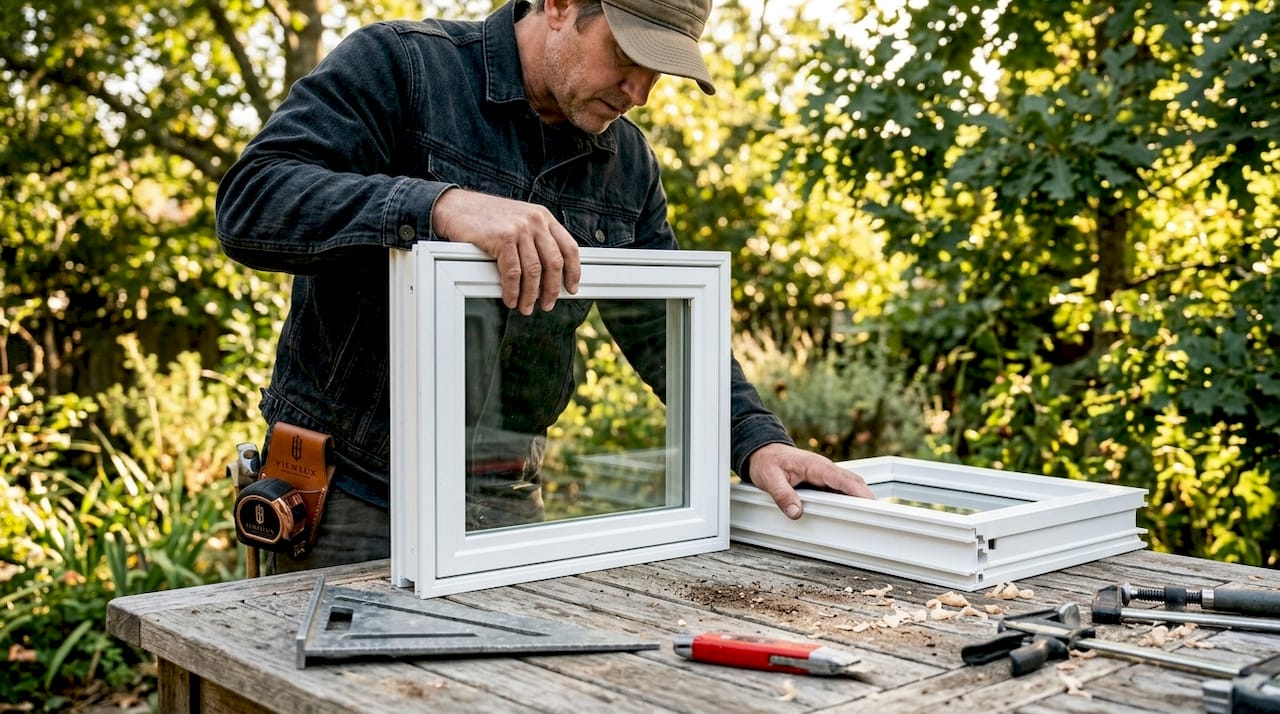
2. what are retrofit window frames and when do they work?
Retrofit windows, also called insert replacements, are new window units sized to fit inside an existing frame. The existing frame stays in place. The new unit drops in, gets secured, and is sealed around the perimeter.
When retrofit installation is appropriate:
- Existing frames are structurally sound, square, and free of rot
- Project scope is replacement only, not a full renovation
- Preserving interior trim and exterior siding is a priority
- Budget and timeline are constrained
The frame must be square within 1/4 inch diagonally for a retrofit unit to seal properly. Any greater deviation causes air gaps, poor operation, and water infiltration over time. Before committing to retrofit installation, probe the frame with an awl at corners and sill areas to check for soft wood indicating rot.
Cost is a clear advantage. Retrofit installations run $300–$700 per window and take approximately 2–4 hours per unit for an experienced installer. That speed and lower price point make retrofit the default choice when existing frames pass inspection.
Limitations are real, though. Retrofit windows reduce the visible glass area because the new unit fits inside the old frame. Air sealing improvements are also constrained by the existing frame condition. Blower door tests post-installation help verify whether the installation actually reduced air leakage as expected.
Pro Tip: Before ordering retrofit units, measure diagonal dimensions at each window opening individually. Frames in older homes rarely match each other exactly, and a unit ordered to a standard size will not seal correctly in an out-of-square opening.
3. what defines new construction window frames and their ideal use cases?
New construction windows are built with a nailing fin, a flat flange that extends around the perimeter of the frame. That fin nails directly to wall studs or rough framing before any exterior cladding is applied. The result is a window that is integrated into the wall structure itself, not just sitting inside an existing opening.
When new construction windows are the right choice:
- Building a new home or addition from the ground up
- Completing a major renovation that strips walls to the studs
- Existing frames show rot, water damage, or significant structural failure
- Changing window size or location in the wall
New construction windows are ideal when stripping walls to studs for additions or new builds. They require pre-cladding installation, which means siding must come off first in a retrofit scenario. That adds labor cost and project time, but it also opens the rough opening for inspection, repair, and proper flashing.
Full-frame removal exposes the rough opening for a correct flashing sequence, which is the layered water management system that prevents moisture from entering behind the siding. Improper flashing is the leading cause of rot and energy performance failure in window installations. New construction windows give installers full access to get that sequence right.
The cost range for new construction window installation runs $150–$800 per window, with the higher end reflecting siding removal, flashing work, and interior trim replacement. Project timelines are longer, and interior disruption is greater.
Pro Tip: If you are replacing windows in a home built before 1990, budget for flashing repair even if the frames look sound from inside. Water damage behind siding is often invisible until the wall is opened.
4. cost, efficiency, and installation impact: a side-by-side comparison
Cost and energy performance are the two factors that drive most decisions. The table below summarizes the key differences.
| Factor | Retrofit (Insert) | New Construction (Full-Frame) |
|---|---|---|
| Cost per window | $300–$700 | $600–$1,500 |
| Installation time | 2–4 hours per window | 4–8+ hours per window |
| Siding removal required | No | Yes |
| Interior trim disruption | Minimal | Significant |
| Rough opening access | No | Full access |
| Flashing upgrade possible | Limited | Full replacement |
| Glass area | Reduced (fits inside old frame) | Full rough opening size |
| Best for | Sound existing frames | New builds, damaged frames |
Energy efficiency depends more on installation quality than on window type alone. Air infiltration reduction averages 6.1% after window replacement, regardless of method. That modest average reflects the reality that poor installation technique limits performance even with high-rated products. NFRC U-factor and SHGC ratings certify the window unit itself. Code compliance under IRC 2024 depends on those ratings, not on whether the installation is retrofit or full-frame.
The practical implication: a well-installed retrofit window in a sound frame can match the energy performance of a new construction window in the same opening. The difference shows up when the existing frame has air leaks, rot, or poor insulation that only full removal can address.
5. how to decide: key factors for homeowners and builders
The decision between replacement vs new construction window frames comes down to a structured evaluation of your specific conditions. Work through these factors before ordering any product.
-
Inspect frame condition first. Probe corners, sills, and jambs with an awl. Soft spots indicate rot that disqualifies retrofit installation. Measure diagonal dimensions to confirm squareness within 1/4 inch.
-
Define your project scope. A simple window swap in an otherwise sound home points to retrofit. A kitchen addition, whole-house renovation, or siding replacement project points to new construction windows.
-
Check energy code requirements. Your local jurisdiction may require specific U-factor or SHGC ratings under IRC 2024 or state energy codes. Both retrofit and new construction windows can meet these ratings, but full-frame installation gives you the opportunity to upgrade insulation and flashing to meet stricter requirements.
-
Evaluate rebate eligibility. Federal and utility rebate programs often require ENERGY STAR certification and sometimes specify installation standards. Confirm requirements before choosing a product or method.
-
Set a realistic budget. Retrofit windows cost 15–30% less than full-frame replacements when existing frames are sound. If frames need repair, that cost advantage disappears quickly once labor for remediation is added.
-
Plan for discovery. Contractors recommend planning to start with retrofit prep but be ready to shift to full-frame if hidden damage is found during installation. Define a “discovery trigger” in your contract so the decision to escalate is clear and priced in advance.
-
Engage a qualified installer. Air sealing and flashing quality determine long-term performance more than product selection. Verify that your installer has experience with both methods and can execute the correct flashing sequence for new construction windows if needed.
Key takeaways
Retrofit windows deliver cost and speed advantages when existing frames are structurally sound, but new construction windows are the only correct choice when frames are damaged or walls are already open.
| Point | Details |
|---|---|
| Frame condition is decisive | Probe for rot and check squareness within 1/4 inch before choosing retrofit. |
| Cost difference is real but conditional | Retrofit saves 15–30% only when no frame repair is needed. |
| Installation quality drives efficiency | Air leakage reduction averages 6.1% and depends on installer skill, not window type alone. |
| New construction enables full weatherproofing | Full-frame removal allows correct flashing sequence, preventing long-term moisture damage. |
| Plan for both scenarios | Build a discovery trigger into your project contract to avoid mid-project delays. |
What i have learned after years of window projects
The most common mistake I see is homeowners committing to retrofit before they have actually inspected the frames. The decision looks obvious on paper: retrofit is cheaper, faster, and less disruptive. So people order the windows, schedule the installer, and then find rot at the sill on installation day. The project stalls, costs spike, and the homeowner feels blindsided.
The fix is simple. Treat frame inspection as a non-negotiable first step, not a formality. Use an awl. Measure diagonals. Pull back any loose exterior caulk and look at what is underneath. Thirty minutes of inspection can save thousands in mid-project changes.
The second thing I would push back on is the assumption that new construction windows are always the “premium” choice. They are the right choice when walls are open or frames are damaged. In a sound, well-maintained home, a properly installed retrofit window with quality energy-efficient glazing performs just as well and causes far less disruption to the home and the people living in it.
Finally, flashing gets underestimated constantly. I have seen new construction window installations that looked perfect from inside but had no proper flashing sequence behind the siding. Water found its way in within two years. The window was fine. The installation was not. Hire for installation skill, not just product knowledge.
— Liran
Viewluxwindows: retrofit and new construction solutions built for performance
Viewluxwindows offers NFRC and AAMA certified aluminum window frames designed for both retrofit and new construction applications. Direct-to-consumer sales eliminate dealer markups, saving clients up to 50% compared to traditional distribution channels. Every product goes through a 26-step production process that prioritizes air sealing, thermal performance, and long-term durability.

Whether you are replacing windows in an existing home or specifying units for a new build, Viewluxwindows provides custom aluminum configurations sized to your exact rough opening dimensions. Showrooms are located across California, Colorado, and Nevada. Explore the full product catalog to compare frame options, glazing specifications, and energy performance ratings, or visit Viewluxwindows to request a quote tailored to your project.
FAQ
What is the difference between retrofit and new construction windows?
Retrofit windows fit inside existing frames without removing siding, while new construction windows use a nailing fin that attaches to exposed wall framing before cladding is applied. The installation method determines project cost, disruption level, and weatherproofing potential.
Can retrofit windows be as energy efficient as new construction windows?
Yes, when existing frames are sound and installation is done correctly. Air infiltration reduction averages 6.1% after window replacement regardless of method, meaning installer quality and frame condition matter more than window type for energy outcomes.
When should i choose full-frame replacement over retrofit?
Choose full-frame replacement when existing frames show rot, are out of square by more than 1/4 inch, or when walls are already open for renovation. Full removal exposes the rough opening for flashing repair and insulation upgrades that retrofit installation cannot address.
How much more does new construction window installation cost than retrofit?
New construction window installation typically costs $600–$1,500 per window versus $300–$700 for retrofit, reflecting the added labor for siding removal, flashing work, and interior trim replacement. The gap narrows if existing frames require repair before a retrofit unit can be installed.
Do retrofit windows reduce the glass area of my windows?
Yes. Retrofit units fit inside the existing frame, so the visible glass area is smaller than the original window. New construction windows fill the full rough opening, which can restore or increase glass area compared to the original installation.


