
Aluminum windows are the preferred framing material for modern remodels because they deliver slim profiles, structural strength, and certified energy performance in a single package. The industry term for the core technology behind their efficiency is “thermally broken aluminum framing,” and it is what separates today’s high-performance aluminum windows from the drafty single-pane frames of decades past. Homeowners and remodelers who understand this distinction make better purchasing decisions. This article covers the technical advantages, design capabilities, finish durability, and long-term value that explain why aluminum windows suit modern remodels better than most alternatives.
Why aluminum windows suit modern remodels: the core case
Thermally broken aluminum windows reduce heating and cooling energy use by 20%–30% compared to standard aluminum frames. That reduction comes from PA66+GF25 insulation strips inserted into the frame profile, which interrupt the conductive path between the interior and exterior aluminum sections. Without this break, aluminum conducts heat and cold directly through the frame, causing condensation and energy loss. With it, aluminum frames meet or exceed the requirements of Energy Star, ASTM, and ISO 9001 standards.
Aluminum also carries a structural advantage that no other common framing material matches. Its strength-to-thickness ratio allows slimmer frames and larger glass areas than vinyl or fiberglass. That structural advantage enables the expansive, floor-to-ceiling glass walls favored in contemporary architecture. For remodelers working on modern homes, this is not a cosmetic benefit. It is a load-bearing one.
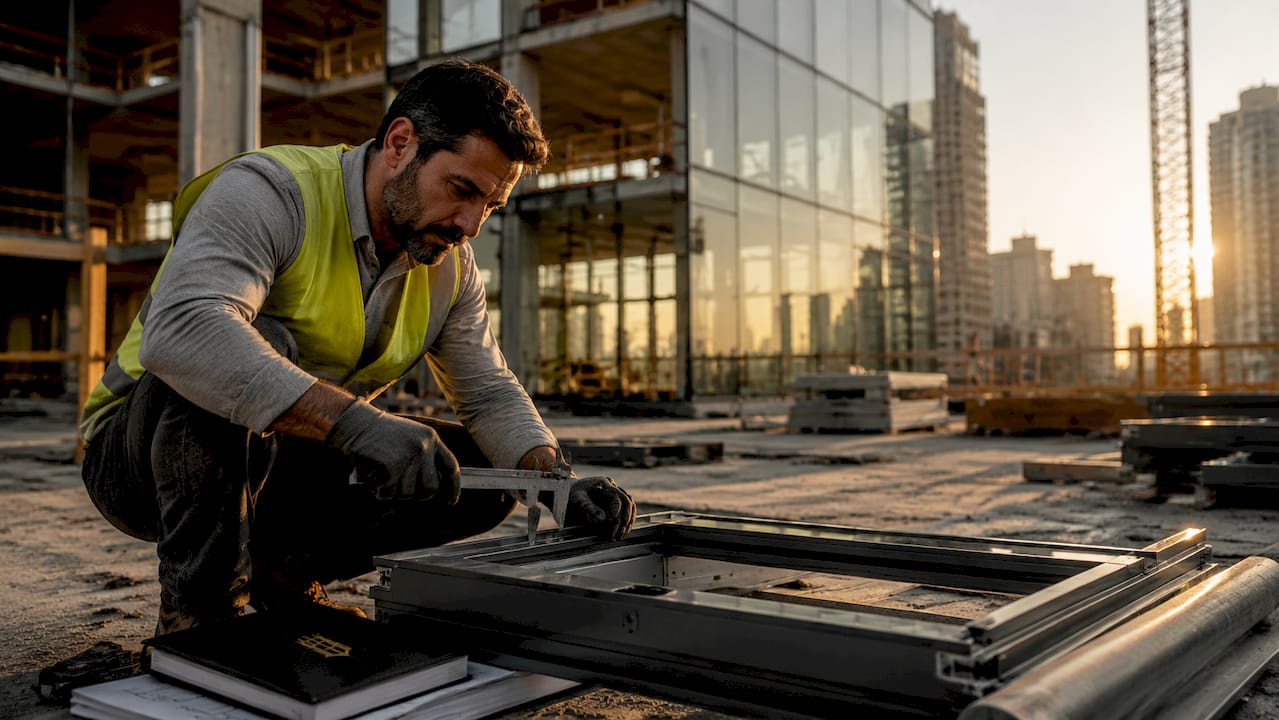
What makes aluminum windows energy efficient and code-compliant?
The thermal break is the defining feature of a code-compliant aluminum window in 2026. Thermally broken profiles using PA66+GF25 insulation strips are critical to proper insulation. Older non-insulated aluminum frames suffer condensation on interior surfaces and fail to meet current energy codes in most U.S. climates.
Frame thickness and profile depth also affect insulation performance. Deeper profiles create more space for the thermal break material, improving the overall U-value of the assembly. Paired with advanced glazing options such as low-E coatings and argon-filled double or triple panes, thermally broken aluminum frames perform at a level that competes directly with vinyl in energy efficiency while surpassing it in structural strength.
Certifications to look for include Energy Star ratings, NFRC labels, AAMA compliance, and CE marking for imported products. These certifications confirm that the window has been tested under standardized conditions, not just rated by the manufacturer. Viewluxwindows carries NFRC and AAMA certifications, which gives homeowners and remodelers a verified performance baseline before installation.
- Thermal break material: PA66+GF25 polyamide strips are the industry standard for interrupting conductive heat transfer.
- Frame depth: Deeper profiles accommodate wider thermal breaks and improve U-values.
- Glazing compatibility: Thermally broken frames pair with low-E, argon, or triple-pane glazing for maximum efficiency.
- Certifications: NFRC, AAMA, Energy Star, and ISO 9001 confirm tested performance, not just claimed performance.
Pro Tip: Ask your supplier for the NFRC label, not just a U-value claim. The label shows tested performance for the whole window unit, including the frame, not just the glass.
How do aluminum window designs support modern architectural aesthetics?
Aluminum is a deliberate design choice for achieving clean lines and minimalist styles that other materials cannot replicate structurally. Vinyl frames require more material mass to achieve equivalent structural rigidity, which means thicker sight lines and less visible glass. Aluminum frames can be extruded to much thinner profiles without sacrificing load capacity.
The design advantages of aluminum for contemporary remodels include:
- Slim sight lines: Aluminum profiles as narrow as 1.5 inches are achievable, maximizing the glass-to-frame ratio in large openings.
- Large-format capability: Aluminum supports floor-to-ceiling window walls and oversized fixed panels that vinyl or wood cannot span without intermediate supports.
- Custom shapes: Aluminum extrusions accommodate arched, angled, and non-rectangular openings that define signature architectural details.
- Color flexibility: Powder coating and anodizing allow virtually unlimited color options, from matte black and bronze to custom RAL colors matched to a specific design palette.
- Consistent finish quality: Factory-applied finishes on aluminum frames are more uniform and durable than site-painted wood or vinyl.
The table below compares framing materials across the design attributes most relevant to modern remodels.
| Design attribute | Aluminum | Vinyl | Wood |
|---|---|---|---|
| Minimum frame width | Narrow | Moderate | Moderate to wide |
| Large-format span | Excellent | Limited | Limited |
| Custom color options | Extensive | Limited | Paintable |
| Shape flexibility | High | Low | Moderate |
| Finish durability | 30–50 years | 20–30 years | Requires repainting |
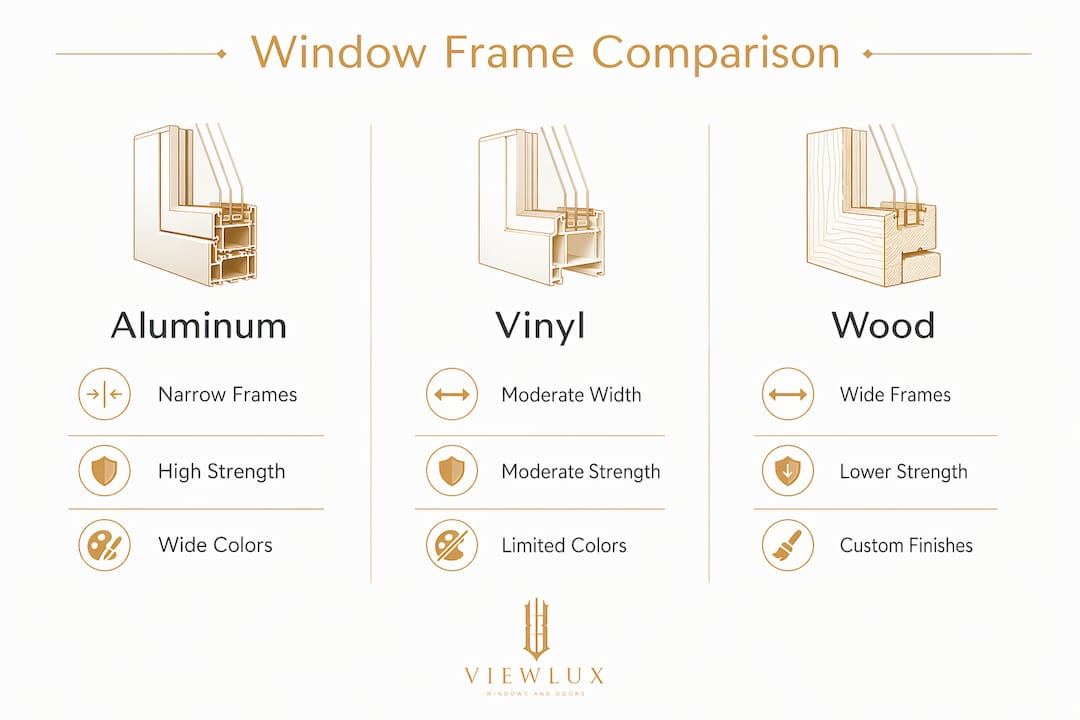
Homeowners working with architects on contemporary builds consistently choose aluminum for frame color options that coordinate with steel, concrete, and glass exteriors. The material simply fits the visual language of modern design in a way that vinyl does not.
What durability and maintenance advantages do aluminum windows offer?
High-quality aluminum windows last 30–50 years with minimal maintenance when factory-applied finishes are specified correctly. That lifespan depends directly on the quality of the surface coating, not just the aluminum alloy itself.
Two finish types dominate the high-performance segment:
- Powder coating: Electrostatically applied and oven-cured, powder coating bonds to the aluminum surface and resists chipping, peeling, and UV degradation. A quality powder coat carries a 10-year or longer finish warranty from reputable applicators.
- PVDF (polyvinylidene fluoride) coating: PVDF coatings resist salt spray and weathering for 10–15 or more years with strong color retention. PVDF is the preferred finish for coastal installations where salt air accelerates corrosion on lesser coatings.
Aluminum outperforms wood in wet and coastal climates because it does not absorb moisture, swell, or rot. It outperforms vinyl in high-temperature environments because it does not warp or soften under sustained heat. For remodelers working in California, Nevada, or Colorado, where temperature swings and UV exposure are significant, aluminum’s finish durability is a practical advantage, not just a specification detail.
Pro Tip: In coastal zones, always specify PVDF coating and request the coating brand and warranty in writing before signing a purchase order. Generic powder coats can chalk and fade within five years in salt air environments.
What should homeowners know when choosing aluminum windows?
Alloy specification is the first quality checkpoint. Choosing 6063-T66 aluminum alloy and verifying extrusion quality are the two most important structural decisions a buyer makes. Low-grade recycled aluminum or roll-formed material can deform under wind load or thermal stress, compromising both performance and safety. The 6063-T66 designation confirms the alloy composition and temper, which directly affects yield strength.
Key selection criteria for homeowners and remodelers:
- Alloy grade: Specify 6063-T66 primary aluminum. Reject frames made from unspecified recycled alloys.
- Profile thickness: Thicker extruded profiles resist deflection under wind pressure. Request wall thickness specifications, not just overall frame dimensions.
- Powder coating brand and warranty: Purchasers must specify the powder coating brand and warranty to avoid premature fading or chalking, especially in coastal zones.
- Thermal break verification: Confirm that PA66+GF25 strips are present in the profile cross-section. Ask for a technical drawing or cut sample if needed.
- Hybrid options: Hybrid aluminum-clad wood windows pair weather-resistant aluminum exteriors with warm wood interiors, solving the durability versus warmth dilemma in luxury remodels.
The hybrid aluminum-clad option is worth specific attention for interior-focused remodels. The aluminum exterior handles weather, UV, and corrosion. The wood interior provides the warmth and texture that some homeowners prefer for living spaces. This hybrid design also reduces heat transfer and air leaks compared to standard wood windows.
How do aluminum windows improve ROI in modern renovations?
Aluminum windows improve long-term ROI by reducing energy bills, lowering maintenance costs, and increasing resale appeal. The thermal break technology that cuts energy use by 20%–30% translates directly into lower monthly utility costs. Over a 30-year lifespan, those savings compound significantly.
| ROI factor | Impact |
|---|---|
| Energy savings | 20%–30% reduction in heating and cooling costs |
| Maintenance cost | Minimal with quality powder coat or PVDF finish |
| Replacement frequency | Once in 30–50 years versus more frequent cycles for wood |
| Resale value | Contemporary design increases buyer appeal in modern markets |
| Installation cost recovery | Offset by energy savings and reduced upkeep over time |
The resale value argument is straightforward. Buyers in contemporary real estate markets respond to large glass areas, slim frames, and cohesive exterior finishes. Aluminum windows deliver all three. A remodel that installs floor-to-ceiling aluminum windows in a living room does not just improve the homeowner’s daily experience. It signals design quality to future buyers.
Aluminum windows as a design language, not just a material choice
I have reviewed hundreds of remodel projects where the window choice defined the entire architectural outcome. What I have found consistently is this: homeowners who treat aluminum windows as a commodity purchase almost always regret it. They buy on price, skip the alloy specification, accept a generic powder coat, and end up with frames that chalk, deflect, or fail to meet energy code within a decade.
The homeowners who get it right treat aluminum as a design material with specific technical requirements. They specify 6063-T66 alloy, request PVDF coating with a written warranty, confirm the PA66+GF25 thermal break in the profile cross-section, and work with manufacturers who can provide NFRC documentation. The difference in outcome is not subtle. It shows up in energy bills, in the quality of light entering the room, and in the frame’s appearance after ten years of sun and weather.
Hybrid aluminum-clad wood windows are underused in the U.S. market. They solve a real problem for homeowners who want the durability of aluminum on the outside and the warmth of wood on the inside. If you are remodeling a home where interior aesthetics matter as much as exterior performance, the hybrid option deserves serious consideration.
My honest recommendation: vet your manufacturer’s certifications before you vet their catalog. NFRC and AAMA labels are not marketing claims. They are tested performance data. Any manufacturer who cannot produce them is selling you a specification you cannot verify.
— Liran
Viewluxwindows aluminum windows for your modern remodel
Viewluxwindows designs and manufactures aluminum windows built for the performance and aesthetic demands of contemporary renovations. Every product goes through a 26-step production process and carries NFRC and AAMA certifications, giving homeowners and remodelers verified energy performance data before installation.
Viewluxwindows offers thermally broken frames with PA66+GF25 insulation strips, factory-applied powder coat finishes, and fully customizable sizing to fit non-standard openings. The direct-to-consumer model saves clients up to 50% compared to traditional dealers. Showrooms are located across California, Colorado, and Nevada. Browse the full product range and aluminum window benefits on the Viewluxwindows website, or review energy-efficient glazing options to pair with your aluminum frame selection.
Key takeaways
Aluminum windows suit modern remodels because thermally broken frames, quality alloy specifications, and durable finishes combine to deliver energy efficiency, structural performance, and design flexibility that other framing materials cannot match.
| Point | Details |
|---|---|
| Thermal break technology | PA66+GF25 strips reduce energy use by 20%–30% and are required for code compliance. |
| Alloy specification | Specify 6063-T66 primary aluminum to prevent deformation under wind and thermal stress. |
| Finish durability | PVDF and powder coat finishes extend window lifespan to 30–50 years with minimal upkeep. |
| Design advantage | Slim aluminum profiles enable large-format glass and minimalist aesthetics vinyl cannot achieve. |
| Long-term ROI | Lower energy bills, reduced maintenance, and strong resale appeal make aluminum a sound investment. |
FAQ
What is a thermal break in aluminum windows?
A thermal break is a strip of non-conductive material, typically PA66+GF25 polyamide, inserted into the aluminum frame profile to interrupt heat transfer between the interior and exterior sections. Without it, aluminum conducts heat and cold directly through the frame, reducing energy efficiency and causing condensation.
How long do aluminum windows last?
High-quality aluminum windows last 30–50 years with minimal maintenance when factory-applied finishes such as powder coating or PVDF are correctly specified. Finish quality is the primary factor determining lifespan, not the aluminum alloy alone.
Are aluminum windows energy efficient?
Thermally broken aluminum windows compete with vinyl in energy efficiency while surpassing it in structural strength. When paired with low-E glazing and argon fill, thermally broken aluminum frames meet Energy Star and NFRC performance standards.
What alloy should I specify for aluminum windows?
Specify 6063-T66 primary aluminum alloy. This grade confirms the alloy composition and temper needed for structural integrity under wind load and thermal stress. Low-grade or unspecified recycled aluminum can deform over time.
What is the best finish for aluminum windows in coastal areas?
PVDF coating is the preferred finish for coastal installations because it resists salt spray and UV degradation for 10–15 or more years with strong color retention. Always request the coating brand and a written warranty before purchasing.
Recommended
- Aluminum Window Frame Color Options for Modern Homes – ViewLux Windows And Doors, Inc.
- Aluminum Windows ROI Explained for Homeowners in 2026 – ViewLux Windows And Doors, Inc.
- Aluminum Window Installation Sequence: 2026 Builder Guide – ViewLux Windows And Doors, Inc.
- Custom Aluminum Door Configurations Explained for Builders – ViewLux Windows And Doors, Inc.


