
Factory glazed windows are defined as fully assembled, sealed glazing units produced under controlled manufacturing conditions before delivery to a job site. This production method is why factory glazed windows preferred by builders and homeowners over site-glazed alternatives. Industry standards including ASHRAE 90.1 and BS EN 1279 govern the thermal and seal performance these units must meet. Factory production delivers consistent U-values, precise Low-E coating application, and airtight seals that field glazing simply cannot replicate with the same reliability. The result is better energy efficiency, faster installation, and lower long-term maintenance costs for both residential and commercial projects.
Why factory glazed windows are preferred for energy efficiency
Factory glazing delivers measurable thermal performance because every component is assembled under controlled temperature and humidity. Argon and krypton gas fills are injected precisely, and the sealed unit is tested before it leaves the facility. Field-assembled units frequently lose gas fill integrity during installation, which directly undermines their thermal performance.
The core thermal advantage comes from three components working together:
- Low-E coatings applied in a dust-free environment reflect infrared heat without reducing visible light transmission.
- Warm-edge spacer bars replace traditional aluminum spacers to reduce thermal bridging at the glass edge, where heat loss concentrates.
- Inert gas fills (argon or krypton) reduce convective heat transfer between glass panes by replacing air with a denser, less conductive gas.
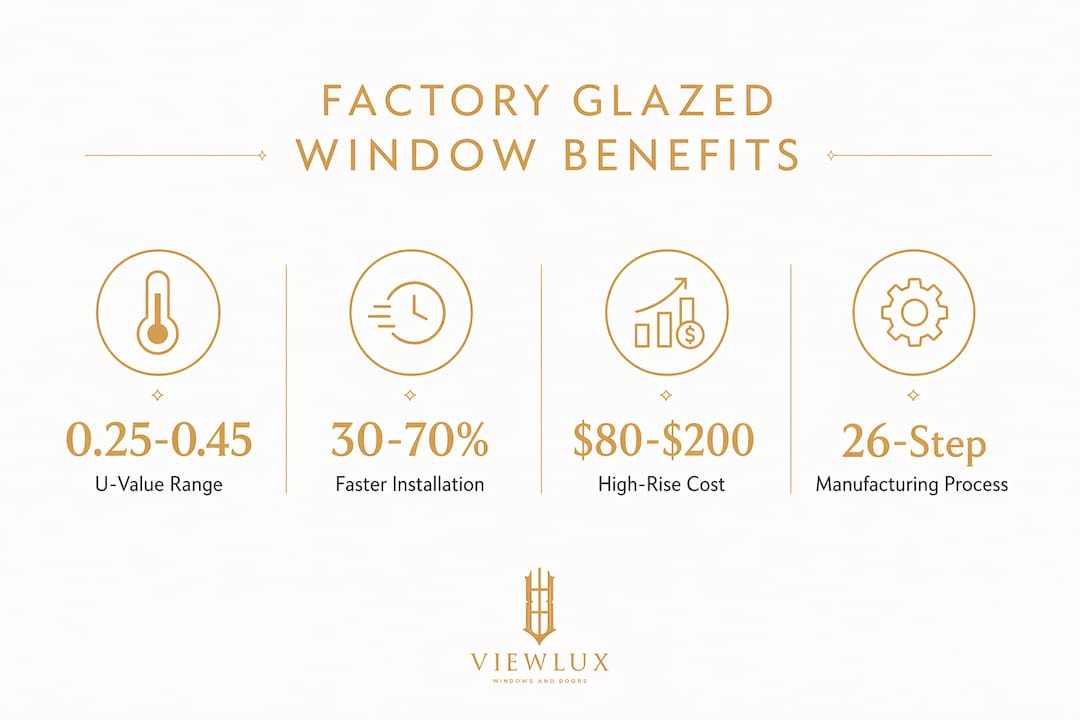
Factory-controlled glazing is the most reliable method for meeting ASHRAE 90.1 and BS EN 1279 thermal standards. Off-the-shelf or field-assembled units often fail to achieve the required U-factors of 0.25 to 0.45. That gap in performance translates directly into higher heating and cooling costs over the building’s lifetime.
Optimal factory glazing achieves U-values below 0.3 W/m²K using Low-E coatings and inert gas fills. That level of performance is critical for compliance with stringent building codes and carbon reduction mandates now active in California, Colorado, and Nevada. Builders working on energy-efficient glazing options for residential projects should treat factory-controlled insulated glass units (IGUs) as the baseline, not the premium tier.
Pro Tip: Ask your window supplier for certified test data showing the U-value and Solar Heat Gain Coefficient (SHGC) of each IGU. Factory-produced units carry this documentation as standard. Site-glazed units rarely do.
How does factory glazing ensure better quality control?
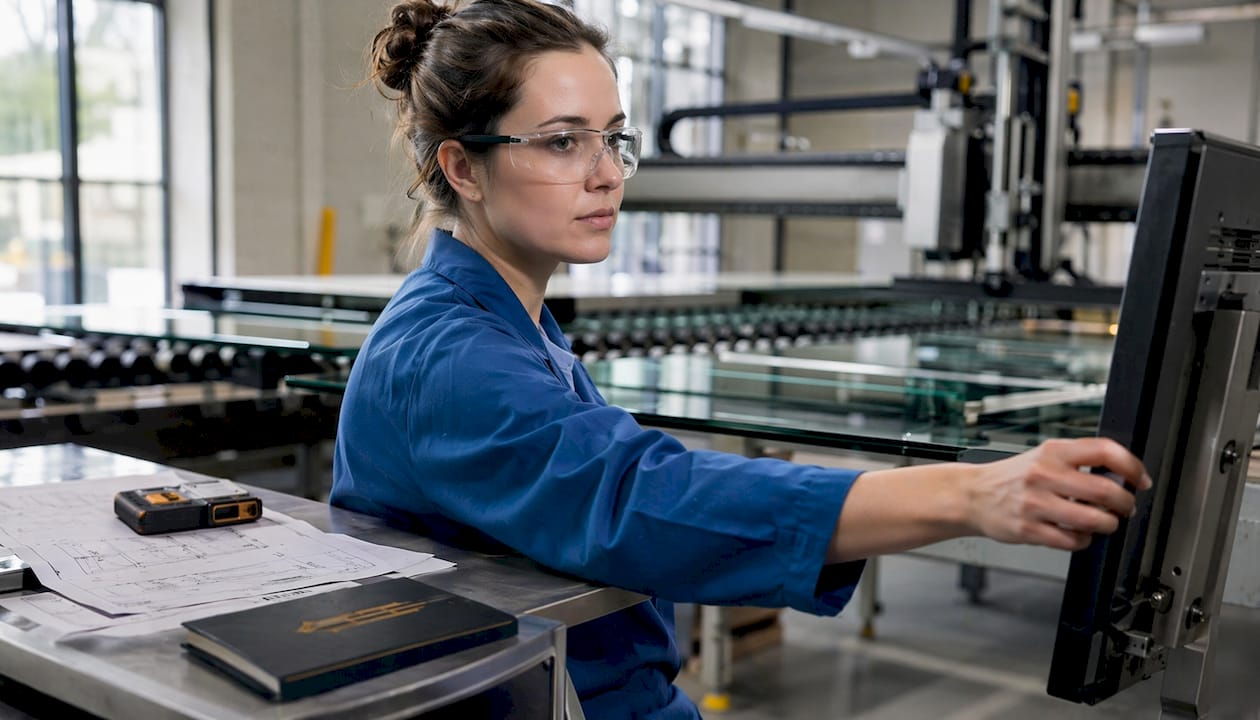
Quality control is the single strongest argument for factory glazing. Factory assembly ensures structural silicone is applied under consistent temperature and humidity, preventing dust contamination that causes long-term seal failures. On a job site, temperature swings, wind-blown debris, and variable workmanship all introduce failure points that no amount of skilled labor can fully eliminate.
The controlled environment addresses the most common causes of premature window failure:
- Dust and debris contamination of gasket seating surfaces
- Inconsistent silicone cure rates caused by temperature fluctuation
- Improper glass bite depth due to on-site measurement variation
- Gasket compression failures from rushed or manual installation
Factory glazing reduces weather-tightness failure risk by transferring glazing processes from variable field conditions to a controlled manufacturing environment. This directly addresses the leading causes of water ingress and premature seal failure. For homeowners, that means fewer call-backs, fewer repairs, and a window that performs as specified for its full service life.
The shift to factory production also moves technical complexity away from the job site. Facade engineers note that factory assembly places complexity under controlled conditions, enhancing seal uniformity and reducing field defects. Building types that benefit most include high-rise residential towers, healthcare facilities, schools, and any project where post-occupancy access for repairs is difficult or expensive.
Pro Tip: When reviewing window specifications, look for factory test certifications covering air infiltration, water resistance, and structural performance. AAMA and NFRC certifications confirm the unit was tested as a complete assembly, not just the glass alone.
What are the installation speed advantages of factory glazed windows?
Factory glazed windows accelerate project timelines in ways that site glazing cannot. Pre-glazed panels or window units arrive ready to install, which means the building envelope closes faster. A faster enclosure protects interior work from weather and allows follow-on trades to start sooner.
The logistical advantages are most visible on these project types:
- High-rise residential and commercial towers where unitized curtain wall systems eliminate exterior scaffolding entirely and allow floor-by-floor installation from inside the building.
- Modular and precast concrete construction where factory-installed windows in precast panels arrive with glazing already sealed and tested, delivering hundreds of openings in a single delivery sequence.
- Urban infill projects with constrained sites where staging space for on-site glazing operations is not available.
- Fast-track housing developments where schedule compression requires parallel workflows between structure and envelope.
The cost comparison is instructive. Unitized high-rise systems cost $80–$200 per square foot compared to $30–$70 per square foot for traditional punched windows. That price difference reflects the factory labor, testing, and logistics built into the unit. However, the reduction in on-site scaffold costs, glazing trade hours, and general conditions expenses frequently offsets the unit price premium on projects of meaningful scale.
| Project Type | Primary Schedule Benefit |
|---|---|
| High-rise tower | Eliminates exterior scaffold; floor-by-floor installation |
| Precast modular housing | Envelope closes with structure; no separate glazing trade |
| Urban infill | Reduces site staging; fewer trades on constrained lots |
| Fast-track residential | Parallel envelope and interior fit-out workflows |
Builders researching factory direct window options should factor scaffold elimination and reduced general conditions into their total cost analysis, not just the unit price.
What are the trade-offs of choosing factory glazed windows?
Factory glazing delivers clear performance advantages, but it requires more upfront coordination than site glazing. Every opening dimension, glazing specification, and structural detail must be finalized before fabrication begins. Changes after production are cost-prohibitive. That constraint demands a level of design discipline that not every project team is prepared for early in the process.
The key coordination requirements are:
- Finalized window schedules with confirmed rough opening sizes before the fabrication order is placed
- Structural details confirmed to accept factory unit tolerances without field modification
- Glazing specifications locked, including glass type, coating, gas fill, and frame finish
- Lead times factored into the overall project schedule, typically 8–16 weeks for custom aluminum units
Factory glazing demands higher upfront coordination since window openings and glazing specs must be finalized before fabrication. Changes after factory production are cost-prohibitive, unlike flexible site glazing. This is the primary reason some architects and builders still prefer stick-built or field-glazed systems for projects with complex geometry, late-stage design changes, or phased construction where openings are confirmed incrementally.
The cost of factory glazed windows is also higher per unit than basic site-glazed alternatives. However, total project cost savings frequently arise from reduced installation labor, scaffold needs, and accelerated enclosure timelines. Homeowners and builders should evaluate lifecycle cost, not just purchase price. A window that installs faster, seals better, and requires fewer repairs over 20 years delivers better value than a cheaper unit that underperforms from year three onward.
Pro Tip: Build a glazing decision matrix early in design. List your project’s priorities: schedule, thermal performance, budget, and design flexibility. Factory glazing wins on the first three. Site glazing wins only on the fourth.
Key Takeaways
Factory glazed windows outperform site-glazed alternatives on thermal efficiency, seal durability, and installation speed because manufacturing in a controlled environment eliminates the variables that cause field glazing to fail.
| Point | Details |
|---|---|
| Thermal performance | Factory IGUs achieve U-values of 0.25–0.45, meeting ASHRAE 90.1 and BS EN 1279 standards. |
| Seal quality | Controlled silicone application and dust-free assembly prevent the contamination that causes premature seal failure. |
| Installation speed | Pre-glazed units close building envelopes faster and eliminate exterior scaffolding on high-rise and modular projects. |
| Design coordination | Window schedules and specs must be finalized before fabrication; late changes are expensive. |
| Lifecycle value | Higher unit costs are offset by reduced labor, scaffold, and long-term repair expenses. |
Why I think factory glazing is the right default choice
Working with homeowners and builders across California, Colorado, and Nevada, I have seen the same pattern repeat. Projects that commit to factory glazing early finish faster, generate fewer warranty calls, and produce buildings that actually hit their energy targets. Projects that defer the glazing decision or default to site glazing to preserve flexibility often pay for that flexibility twice: once in schedule delays and again in post-occupancy repairs.
The most underappreciated benefit of factory glazing is its role in meeting Passive House and Net-Zero energy standards. Airtight building envelopes are critical for these targets, and air leakage is the most common point of failure in high-performance envelopes. Factory glazing addresses that failure point at the source. No amount of site-applied sealant fully compensates for a window unit that was never assembled to the required tolerance.
My advice to any homeowner or builder evaluating window options: treat the glazing decision as a structural decision, not a finish decision. Engage your window manufacturer at the design development stage, not during construction documents. The coordination cost is real but small compared to the schedule and performance gains you capture downstream. Manufacturers that produce sealed units in-house can better control quality and turnaround times, which directly serves your project’s custom architectural needs and reduces supply chain delays.
The aluminum window thermal performance data supports factory glazing as the standard for any project targeting modern energy codes. The question is not whether factory glazing is worth it. The question is whether your project team is organized early enough to take full advantage of it.
— Liran
Viewluxwindows factory glazed window solutions for your project
Viewluxwindows produces custom aluminum window and door systems through a 26-step manufacturing process, with NFRC and AAMA certifications confirming thermal and structural performance on every unit. Factory glazing is built into the production standard, not offered as an upgrade.
Homeowners and builders can review upscale residential window packages covering a full range of factory glazed configurations for modern architectural projects. Viewluxwindows sells direct to consumers, which means you access certified factory glazed performance at up to 50% less than traditional dealer pricing. Showrooms are open across California, Colorado, and Nevada for in-person specification reviews. Request a quote or browse the full product catalog to find the right factory glazed solution for your project.
FAQ
What is factory glazing vs. site glazing?
Factory glazing means the glass is installed and sealed into the window frame at the manufacturing facility before delivery. Site glazing means the glass is installed on the job site after the frame is already in place, which introduces more variables and a higher risk of seal failure.
Why are factory glazed windows preferred for energy efficiency?
Factory-produced insulated glass units (IGUs) achieve consistent U-values of 0.25–0.45 by applying Low-E coatings, argon gas fills, and warm-edge spacers under controlled conditions. Field-assembled units frequently fail to reach the same performance levels because temperature, humidity, and contamination affect the sealing process.
Do factory glazed windows cost more than site-glazed options?
Factory glazed units carry a higher unit price, but total project costs are often lower. Reduced scaffold requirements, fewer on-site glazing trades, and faster building enclosure offset the premium, particularly on multi-unit residential and commercial projects.
How early do I need to decide on factory glazed windows?
Window schedules and glazing specifications must be finalized before the fabrication order is placed, typically 8–16 weeks before the installation date. Late changes after production begins are cost-prohibitive, so the decision should be made during design development, not construction documents.
Are factory glazed windows suitable for Passive House projects?
Factory glazing is the preferred method for Passive House and Net-Zero projects because it delivers the airtight envelope performance these standards require. Air leakage at window junctions is the most common failure point in high-performance envelopes, and factory assembly eliminates the field variables that cause it.
Recommended
- Factory Direct Windows: What Homeowners and Builders Must Know – ViewLux Windows And Doors, Inc.
- Factory Direct Window Pricing Benefits for Homeowners – ViewLux Windows And Doors, Inc.
- Glass to Glass Corner Window: 2026 Builder’s Guide – ViewLux Windows And Doors, Inc.
- New Construction Window Installation Types: Builder’s Guide – ViewLux Windows And Doors, Inc.


